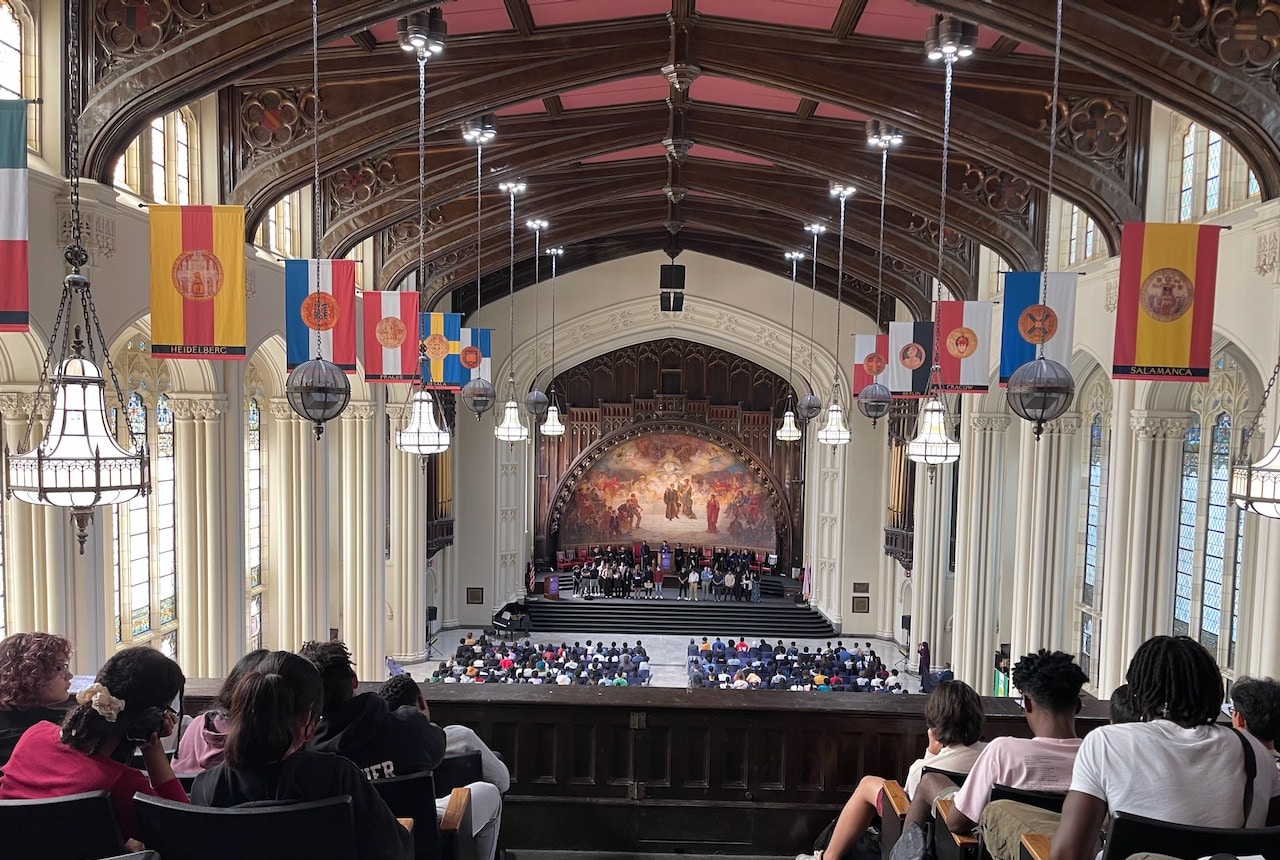
City College Campus. Photo by Merina Begum
Communication is an essential part of day-to-day life. It allows people to connect with others. “It’s the essence of life, allowing us to express feelings, pass on information, and share thoughts,” according to the Chartered Institute of Payroll Professionals, but when Gen Z gets to the workplace, they may be in trouble because they struggle to communicate in person.
Their dependency on technology seems to have made it difficult for them to relate one-to-one. Gen Z’s dependence on technology started early. Those born between 1997 to 2012 are also known as “digital natives” because they were surrounded by technology as they grew up. “This digital immersion has fundamentally shaped their communication preferences,” said Zoltán Peredy in a research paper. Peredy, the head of the engineering institute at Edutus University, located in Tatabánya, Hungary, said, “One of the most prominent features of Generation Z’s communication is their heavy reliance on social media platforms.”
Jade Troncoso, a 20-year-old college student at Laguardia Community College, explained that she uses “Instagram and Messenger mostly” for communicating with others. She prefers social media to in-person communication.
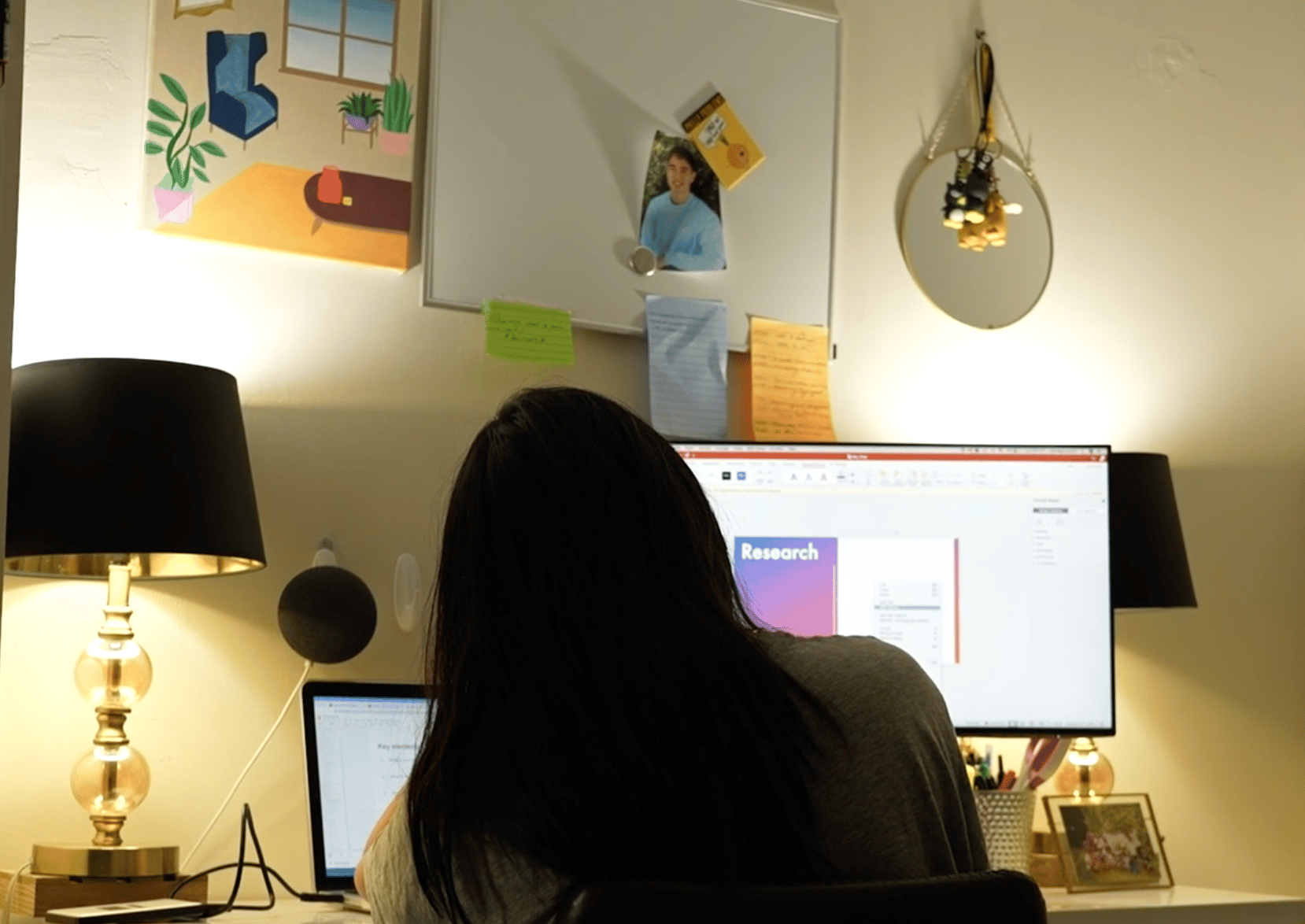
COVID-19 played a big role in shaping the way Gen Z interacts. This generation found themselves confined to their own rooms and laptops as they went to school from home. This meant that there were zero to no opportunities for people to socialize and communicate with others in person. Phoebe Gavin, a career and leadership coach, explained to Forbes Magazine that, “Because they were working remotely, they weren’t receiving much of the passive social training that we receive by simply being in a space with people.”
Caiden Alkhatib, a 22-year-old journalism student at City College, said she recognized the loss from remote learning. It left her, “missing out on verbal exchange that would’ve happened in a classroom,” she said. Now she finds herself struggling, ”It’s hard to know the cues of when to talk,” she said.
Alkhatib wants to build back the skills that she lost. ”I would always prefer in-person if possible, but chats are more convenient.” And a study from Stanford University suggests that others in her generation agree. Young people interviewed said their favorite way to communicate was “in person.”
Some Gen Zers seem to recognize what they have lost, but they think they are being unfairly tarnished by employers and older people. They want a break. They object to the way they are categorized. “Saying that we are stunted is a lack of empathy,” Alkhatib said. Words used against Gen Z hurt. “Addicted. Incable. Some say tech-savvy, but there’s no in-between.” To her older generation lacks understanding and empathy towards Gen Z. “Saying that we are stunted is a lack of empathy,” she explained. To Alkhatib, the strong criticism from the older generation felt unwarranted. “Our environment molded us differently,” she said.