NEW YORK
In the digital age, it’s safe to say that comic book piracy is incredibly convenient, makes life easier and brings us joy. However, it comes at the expense of the creators. “If you don’t pay for my comics I don’t get paid. My kids don’t get food, You’re not hurting a corporation, you’re hurting my kids,’ Dee Cunniffe, a comic book colorist, declared on X.
With piracy today comes a sense of convenience for comic book lovers. For one, they are digital so they don’t take any physical space, are completely free and don’t suffer a loss of quality. Piracy seems especially appealing to younger fans, with over 54% of piracy users falling in the ages of 18-24, according to Blockxtech.com.
Some people in this age range, such as Stefan Escoto, say that piracy doesn’t affect comic books. “That’s what makes comics great,” Escoto says. “That anyone can read them anywhere and no matter what, someone is getting paid.”
Some consumers think otherwise. “Creators won’t earn money from the people who pirate and continue sailing the seas,” says Daly Perez.
Some people say piracy can be both positive and negative. “It helps [with] exposure a ton because the barrier for entry is so low,” says Lewis Bonilla. “It doesn’t hurt sales as much as you’d expect because the books are usually bought by people who already know they like it anyway, or as collector items. It still hurts them though.”
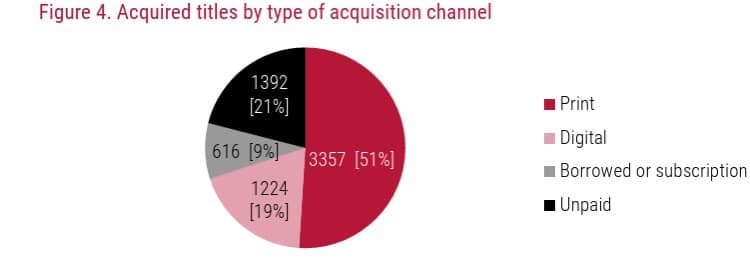
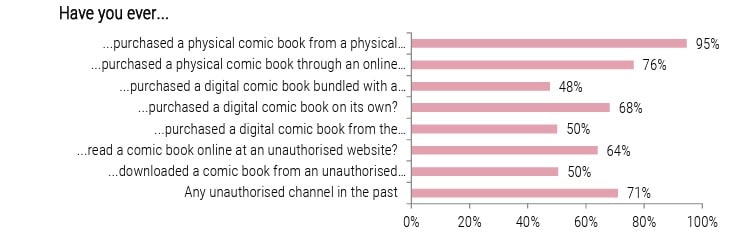
Wojciech Hardy, at the University of Warsaw, studied the problem and created these charts for his PhD thesis.
Digital downloads downgrade creators’ wallets
But while convenient for fans, piracy is harmful to creators striving to make a living. Many say they lose out if money isn’t getting put into their pockets from physical sales or legitimate paid digital sales.
“So deuce of hearts was pirated almost 12k times on just ONE site,’ says comic artist Tony Gregori, ‘yet we had to go to trade after issue 2 partly due to low sales.”
Publishers like Marvel and DC Comics do not publicly release information on how much they have lost due to piracy. However, figures available about manga may offer a sense of potential losses from illegal digital downloads. In May 2024 alone, manga lost an estimated $800 due to piracy, according to Megan Peters on comicbook.com.
Some point the finger at current comic book prices to justify piracy. Erik Larsen, former artist for Amazing Spider-Man in the 90’s and Chief Financial Officer of Image Comics, disagrees.
“Comics are expensive and you just want to read it– you don’t want to own it. But the reality is that comics aren’t going to get any less expensive if people illegally download them and inevitably they will stop being produced altogether,” says Larsen on X.
Tags: Blockxtech.com comic book piracy Erik Larsen Image Comics Michael Cruz Tony Gregori Wojciech Hardy Wojciech Hardy University of Warsaw
Series: Community