*Kadidia Sidibe was a student in the College Now Introduction to Journalism class at CCNY.
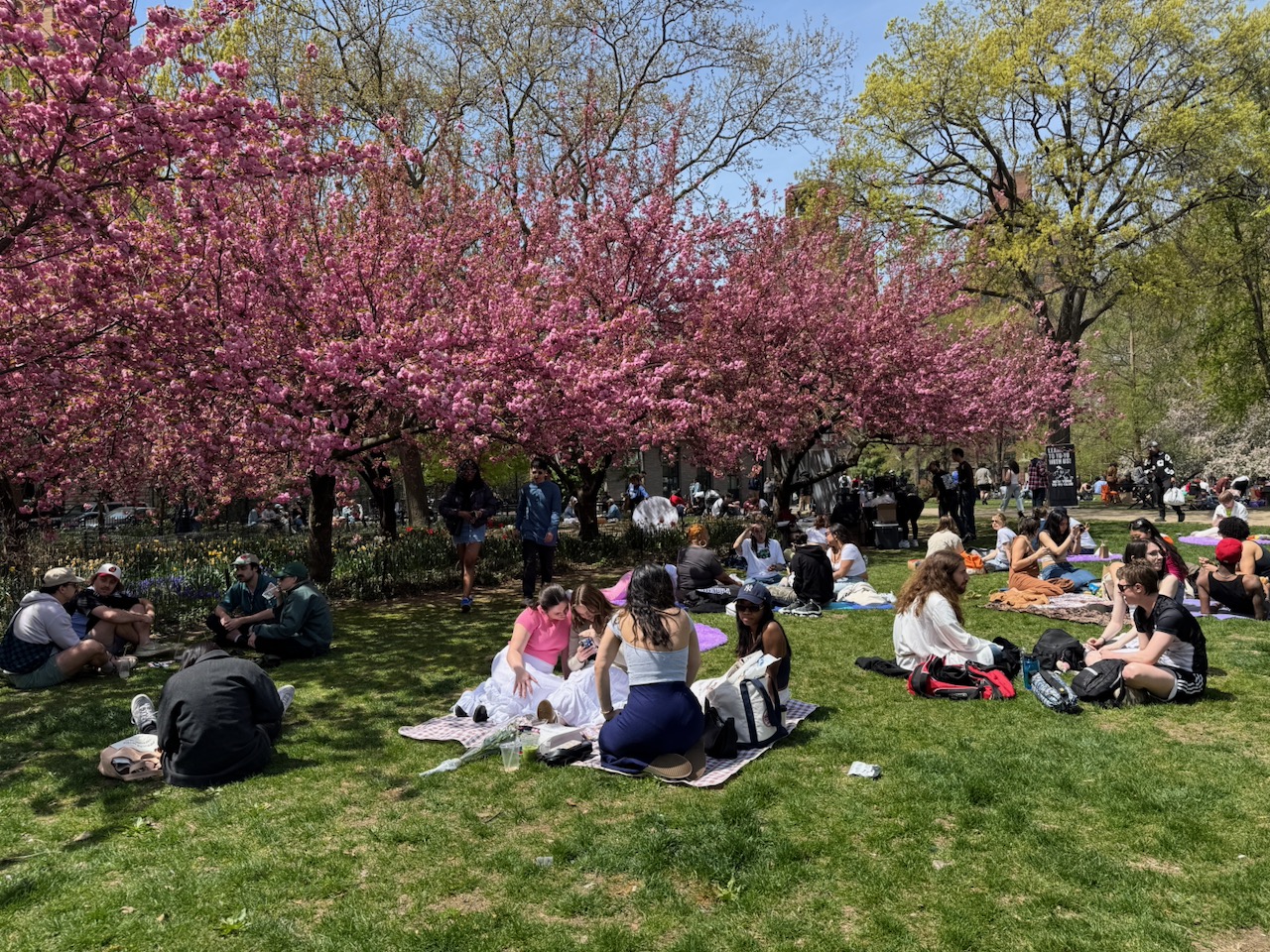
Sixteen year old basketball player Isaiah Moore has figured out a way to cope with upcoming game stress. “I would hang out at the park with my friends because it was pretty chill. The scenery was nice and it helped me release stress and calm down more,” Moore said. “You know before the game I needed some rest and stuff.”
Moore’s story is a great example of how teen athletes can cope with game day stress to bring relief and composure to the game. That’s a key factor when athletes want to play well. In a world where teens can be very occupied with the latest drama, academic pressure, and social media, even taking a short break to walk through nature can be a significant benefit in their life. Nature also develops creativity that technology can’t implement in kids. “Adolescents’ contact with nature positively predicted the level of positive youth development, while contact with artificial environments did not,” According to the National Library of Medicine, Nature brings not only mental benefits but physical benefits to the body like reducing the risk of chronic diseases while increasing stronger bones, muscles, and motor skills.
Health issues can worsen your mental health so using nature as a way to find peace in the midst of a storm is life changing. Mental health issues are no joke—even finding one way to help you cope can save your life. Every year between 700,000 and 740,000 people commit suicide and mental illness is the main cause, according the World Health Organization. Research shows that nature can also help people deal with grief, something that is inevitable in our lives. The serene feeling of nature produces wonderful benefits to the mind, spirit, soul, and body of humans. Seasons remind us that we all have to go through changes but it’s the way you chose to look at it that changes everything.
This was true for Heather, a mother of four and grandmother of five who shared her struggles with mental health with the Mental Health Foundation, a charity.
Heather detailed her experience dealing with mental illness and how she found out that nature is her therapy. Heather, also along with 22,000 other women in her walking group, found that going on a walk helped them cope. “For now, walking in nature is my therapy, and it works. It lowers my blood pressure, lessens my stress, makes me feel good, and I can be at peace with myself,” Heather said. “Anything that makes me smile and look forward to the day ahead is good enough for me.”
Heather’s story shows how people can take the time to grasp how powerful nature really is and the positive influence it can have in your life. Being active outside can also help you improve your mental health because it releases endorphins and serotonin which have mood boosting effects, helps your self-esteem, reduces rumination, and so much more that enhance your quality of life.
Melissa Delgado, a high school math teacher, told me that one way she coped with her father’s passing away was by going on nature-filled trips with her husband. “My dad meant everything to me as a little girl and to know he is no longer with me on this earth still hurts,” she said. “But ways I managed through the situation using nature was by going to the beach with my husband because it helped clear my mind and gave me peace through the pain.”
You can use nature to cope with trauma as Melissa did which helped her mental health. Finding a way to cope through nature can save your life one day. “It helped clear my mind,” Delgado said, “and gave me peace through the pain.”
Series: High School Journalists