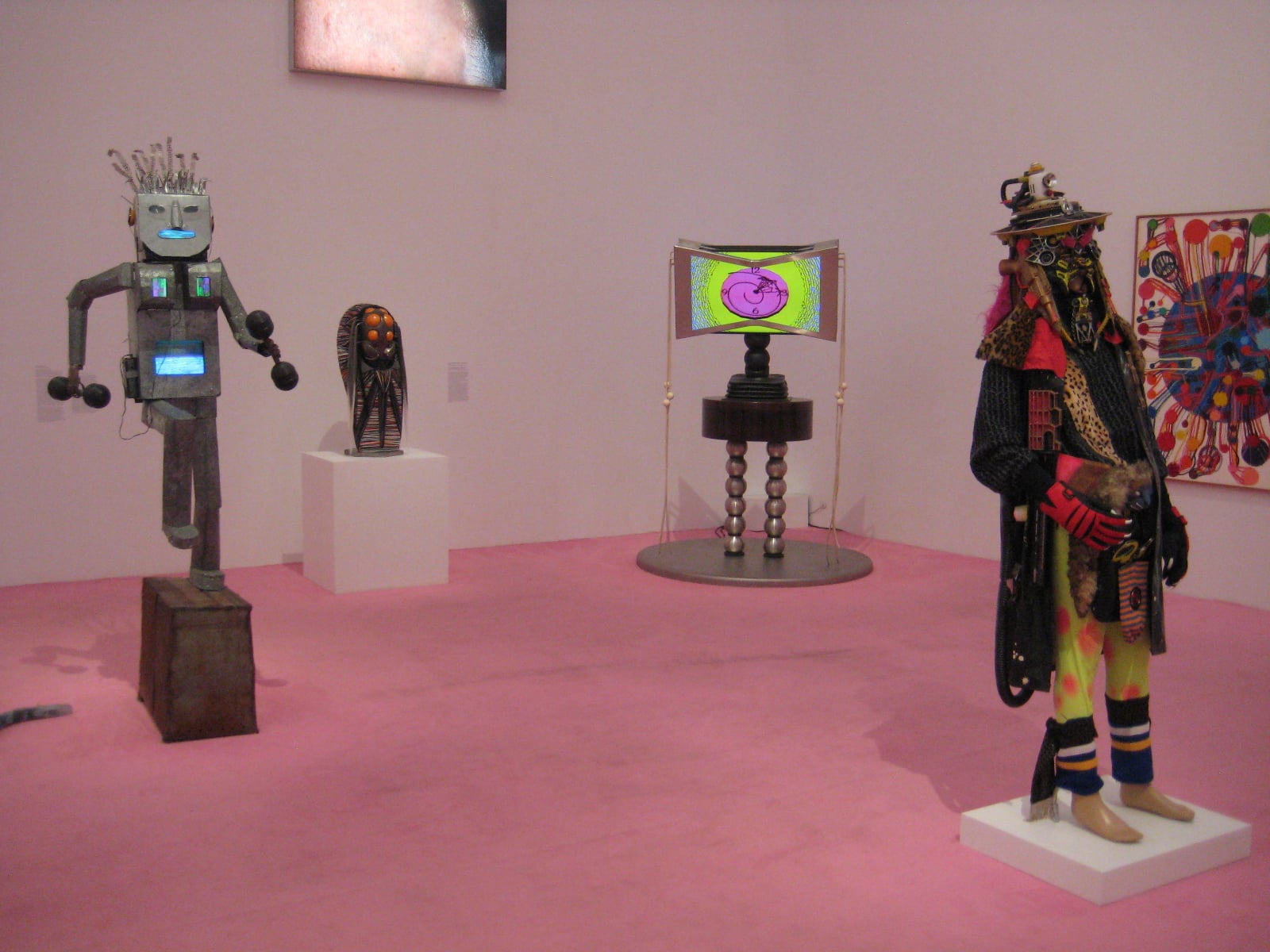
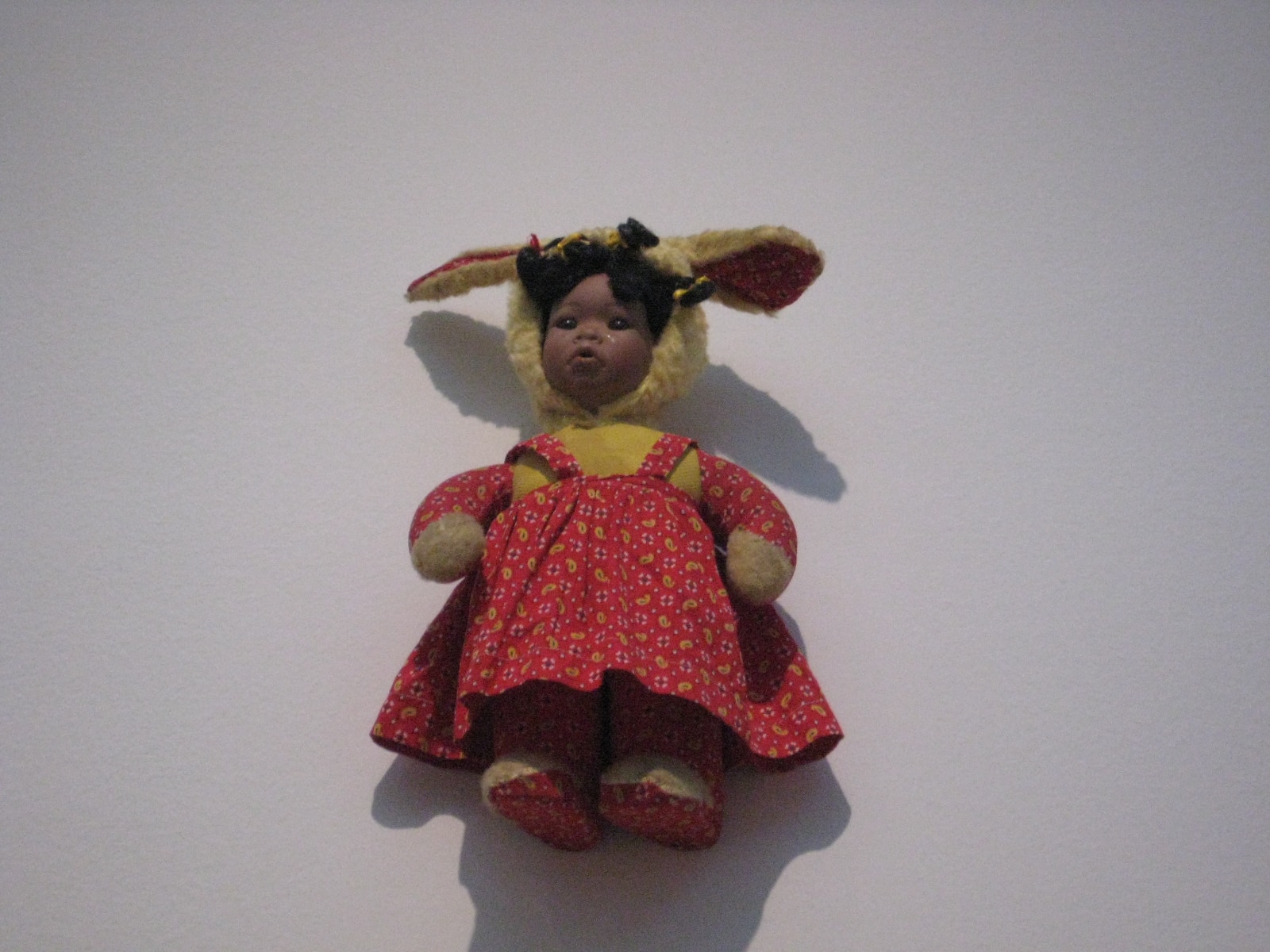
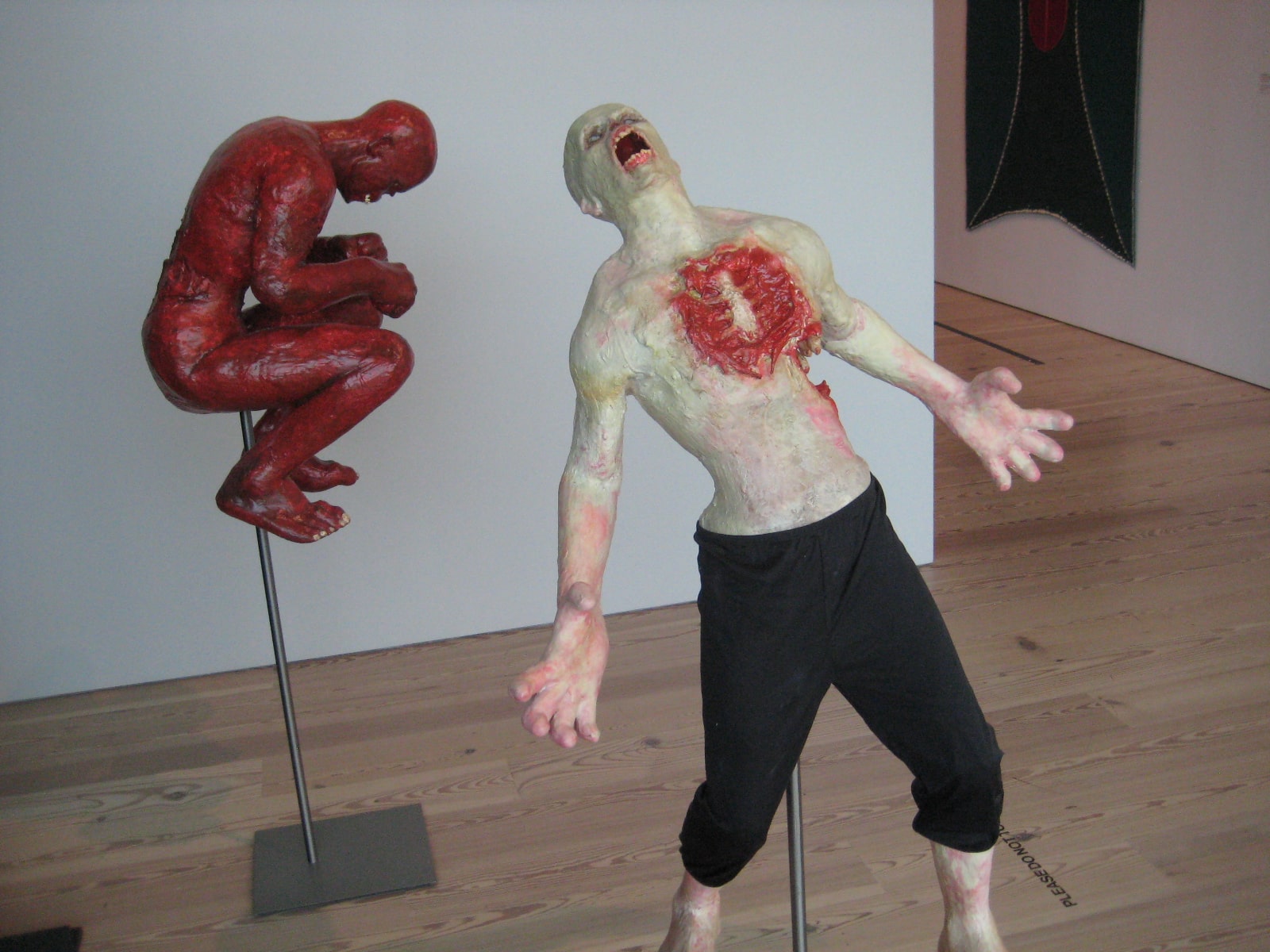
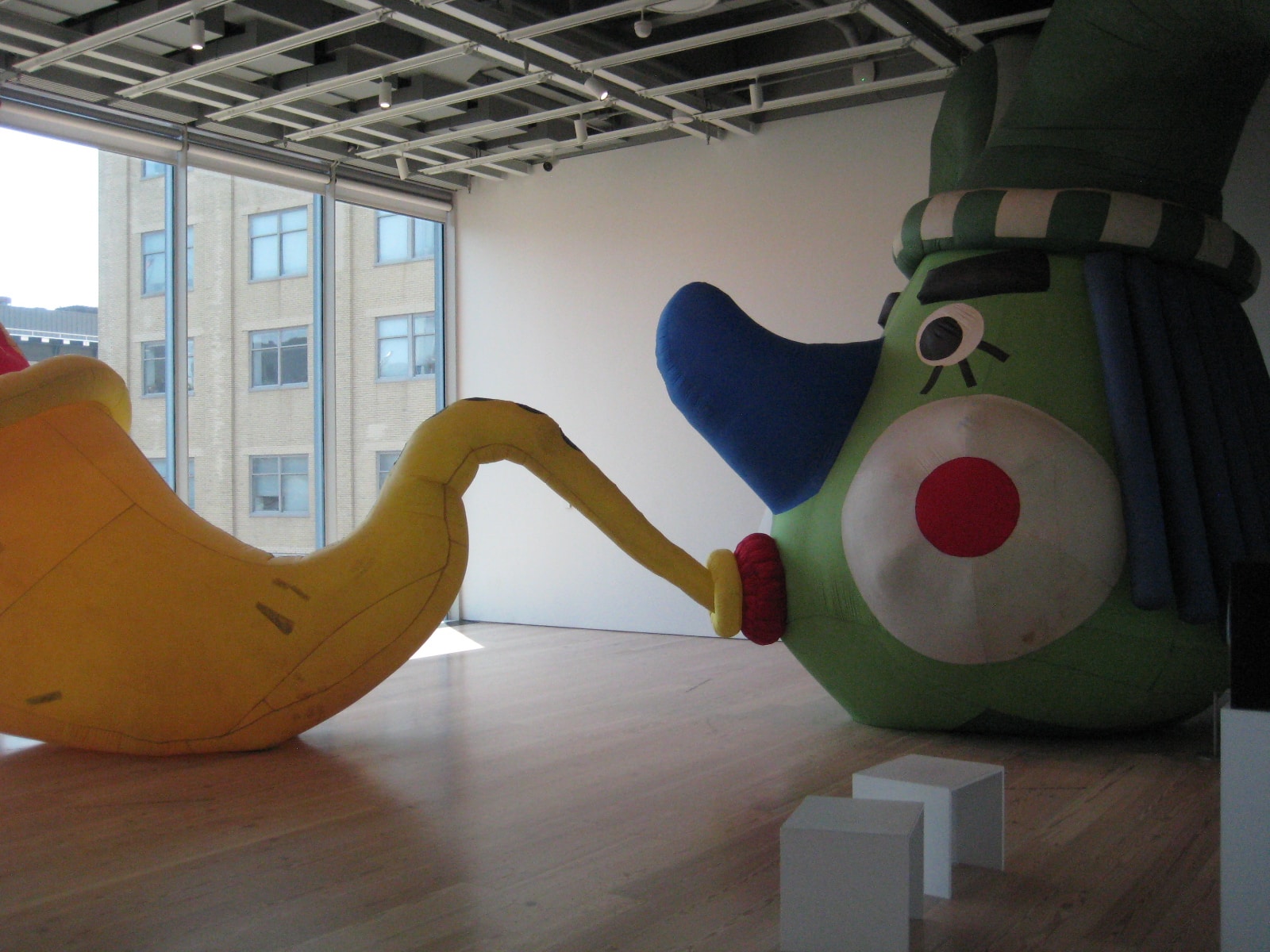
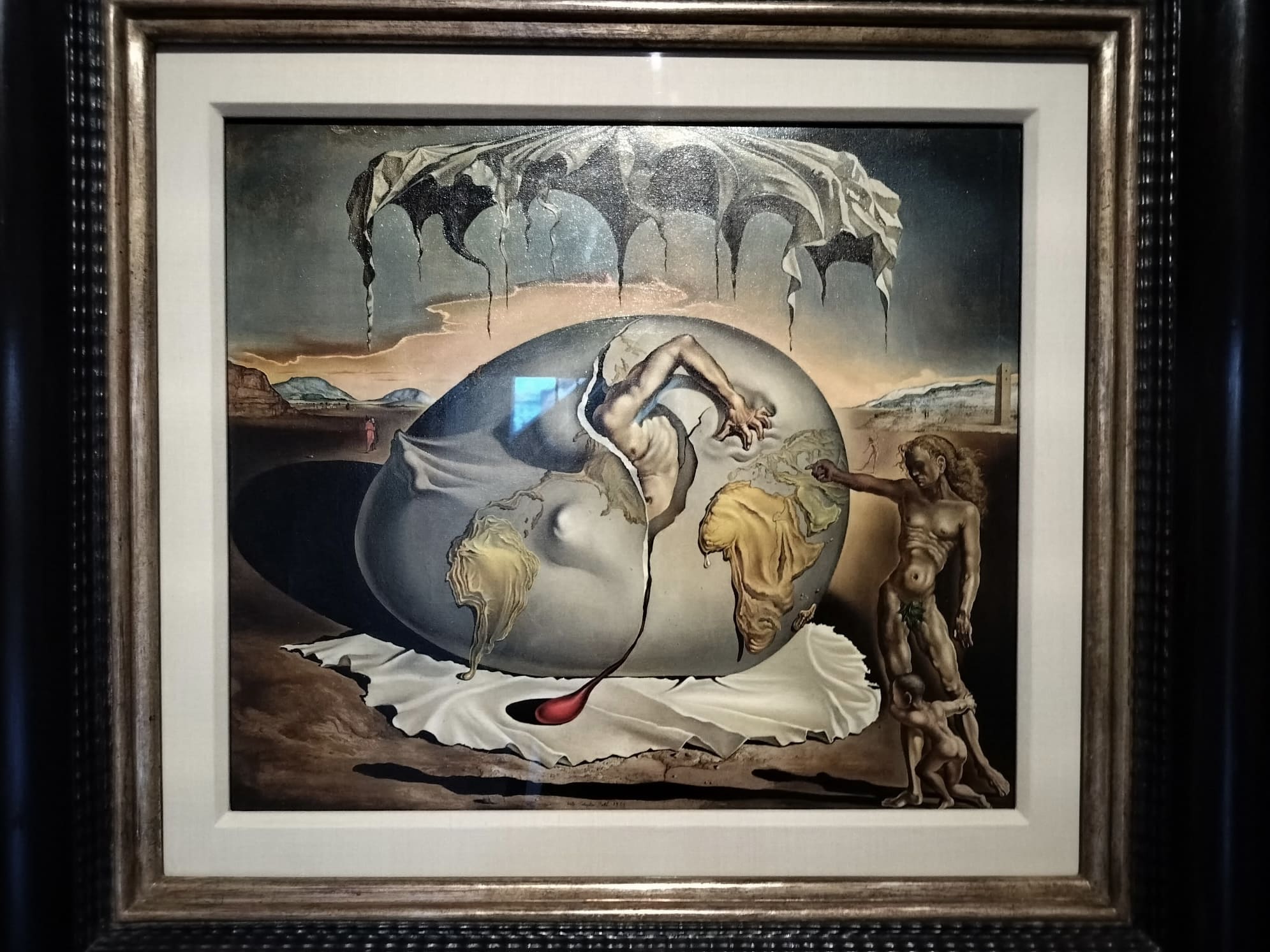
A view of the “Hall of Robots” section of “New Humans: Memories of the Future” at the New Museum (visited July 2026), one of 13 sections the museum uses to trace what it calls “a diagonal history” of humanity’s relationship with technology across the 20th and 21st centuries. Photo by Sarah Chen.A view of the “Hall of Robots” section of “New Humans: Memories of the Future” at the New Museum (visited July 2026), one of 13 sections the museum uses to trace what it calls “a diagonal history” of humanity’s relationship with technology across the 20th and 21st centuries. Photo by Sarah Chen.Precious Okoyomon’s “Everything wants to kill you and you should be afraid” (2026), filling an eighth-floor gallery in the Whitney Biennial 2026 (visited July 2026), suspends about 50 stuffed-animal-and-taxidermied-wing hybrids from nooses; a direct reference, per the artist, to the history of racial violence in the United States. Photo by Sarah Chen.Precious Okoyomon’s “Everything wants to kill you and you should be afraid” (2026), filling an eighth-floor gallery in the Whitney Biennial 2026 (visited July 2026), suspends about 50 stuffed-animal-and-taxidermied-wing hybrids from nooses; a direct reference, per the artist, to the history of racial violence in the United States. Photo by Sarah Chen.Isabelle Frances McGuire’s “Satan in America and Other Invisible Evils” (2026), on view in the Whitney Biennial 2026 (visited July 2026), draws on mythologized scenes from American history—from the Salem witch trials to Lincoln’s birth cabin—building its demon and witch figures from open-source medical CT scans and character models from the video game Doom. Photo by Sarah Chen.Isabelle Frances McGuire’s “Satan in America and Other Invisible Evils” (2026), on view in the Whitney Biennial 2026 (visited July 2026), draws on mythologized scenes from American history—from the Salem witch trials to Lincoln’s birth cabin—building its demon and witch figures from open-source medical CT scans and character models from the video game Doom. Photo by Sarah Chen.Pat Oleszko’s “Blowhard” (1995), a towering inflatable jester’s head blasting fire from a trumpet, anchors the Whitney Biennial 2026 (visited July 2026). Oleszko, an 79-year-old artist who has spent five decades merging sculpture, costume, and political satire, received the Whitney’s 2026 Bucksbaum Award for the piece and her broader career. Photo Sarah Chen.Pat Oleszko’s “Blowhard” (1995), a towering inflatable jester’s head blasting fire from a trumpet, anchors the Whitney Biennial 2026 (visited July 2026). Oleszko, an 79-year-old artist who has spent five decades merging sculpture, costume, and political satire, received the Whitney’s 2026 Bucksbaum Award for the piece and her broader career. Photo Sarah Chen.Salvador Dalí’s “Geopoliticus Child Watching the Birth of the New Man,” on view in “New Humans: Memories of the Future” at the New Museum (visited July 2026), places Dalí’s Surrealist vision of a world remade alongside the exhibition’s broader questions about technology, war, and human control. Photo courtesy of Alina Zhang.Salvador Dalí’s “Geopoliticus Child Watching the Birth of the New Man,” on view in “New Humans: Memories of the Future” at the New Museum (visited July 2026), places Dalí’s Surrealist vision of a world remade alongside the exhibition’s broader questions about technology, war, and human control. Photo courtesy of Alina Zhang.