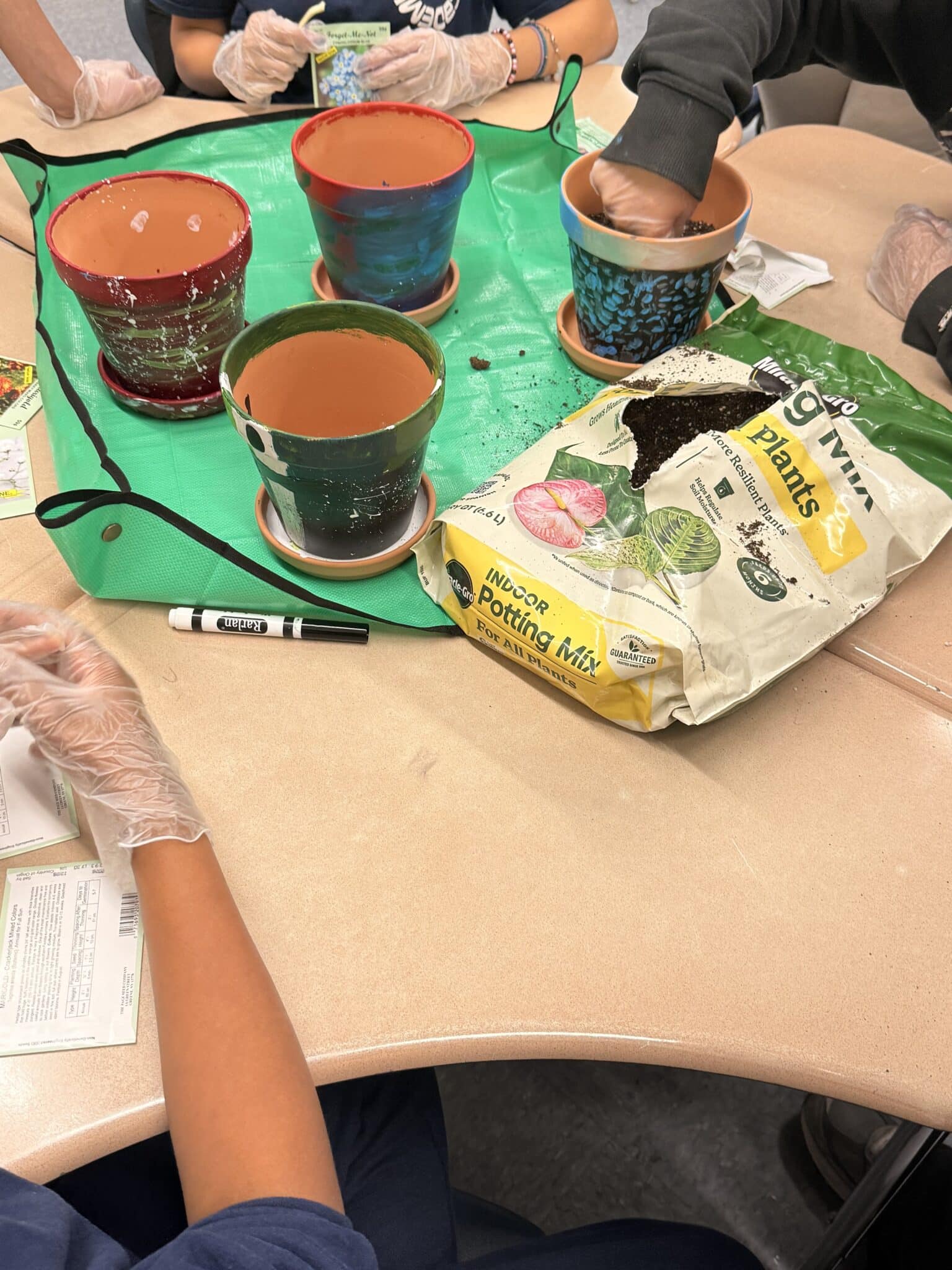
Bronx House after school program. Photo by Bronx House.
“We’ll hand them a short story, and within minutes they’re asking if there’s a video version,” said Jaheim Lloyd, 24, who works at an after-school program in the Bronx. “It’s not that they can’t read, it’s that they don’t want to sit there. They have low attention spans,” he said.
Low attention spans may mar the lives of children growing up as Generation Alpha. These kids born after 2010, have found themselves surrounded by screens, almost since the opened their eyes. They master digital tools early. But as their tech skills increase, many struggle to read at grade level. Educators and youth workers warn that declining literacy may also weaken imagination, reduce attention spans, and hamper critical thinking.
At the Bronx House after school program, Nijay Tarver, 24, also worries about the kids he works with. “They’re smart, no doubt,” he said. “They can figure out apps and technology stuff fast. But when it comes to reading something longer than like two paragraphs, they check out.”
Research and classroom experience point to a clear shift in children’s ability to read and develop critical thinking. Their constant engagement with short-form videos and instant entertainment leaves little time, or room for reading. The data reflects the change. A report cited by Gitnux found that only 43.4% of children ages 8 to 18 enjoy reading in their free time, the lowest level since 2005. Just 20% say they read daily for pleasure, signaling a sharp cultural move away from books.
Reading offers more than a school skill, it also shapes how people think. Strong reading habits build focus, patience, and the ability to understand complex ideas. They also help develop empathy, allowing readers to see the world through perspectives different from their own. Research highlighted by Phys.org suggests constant digital exposure is reshaping how children process information, prioritizing speed over depth. Short-form content trains the brain to expect quick stimulation, making reading feel less engaging.
Without these skills, children may struggle not just academically, but socially and emotionally, relying more on quick, surface-level information instead of deeper understanding.
LLoyd and Tarver try to make up the deficit in the four hours a day they spend with kids after school. “It’s like anything that takes time feels too slow for them,” LLoyd said.
Habits at home play a role too. Reporting from Newsweek shows fewer parents are regularly reading to their children, with screen time often replacing traditional storytelling, a key foundation for both literacy and imagination.
Still, Tarver believes it’s just a problem of a lack doing. “When we find something they actually like, they get into it,” he said. “It’s just about getting them there again.”
The issue isn’t only whether Generation Alpha can read, it’s whether they will continue to imagine, question, and think deeply in a world built for speed.
Tags: Bronx House after school program Education Generation Alpha Jaheim Lloyd Nijay Tarver reading Yahmani Price
Series: Community