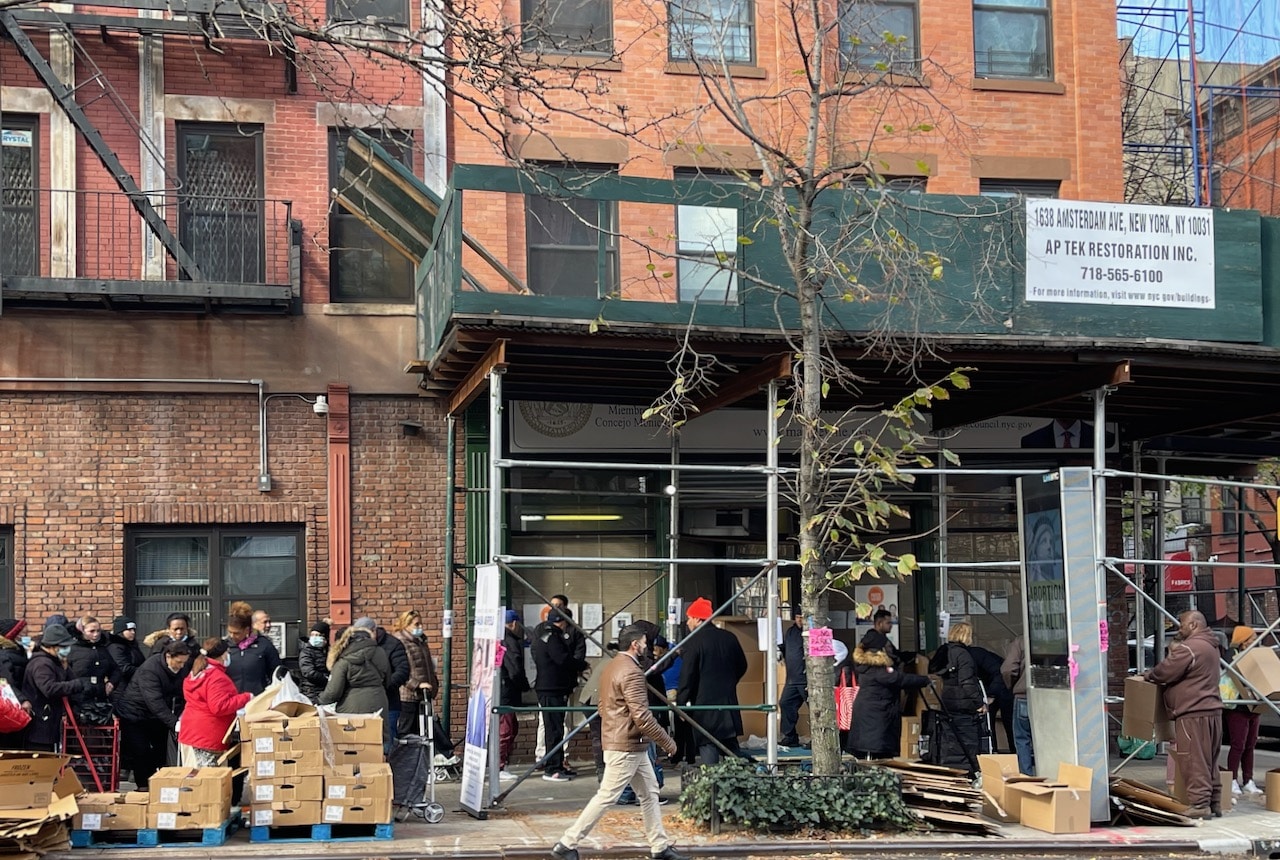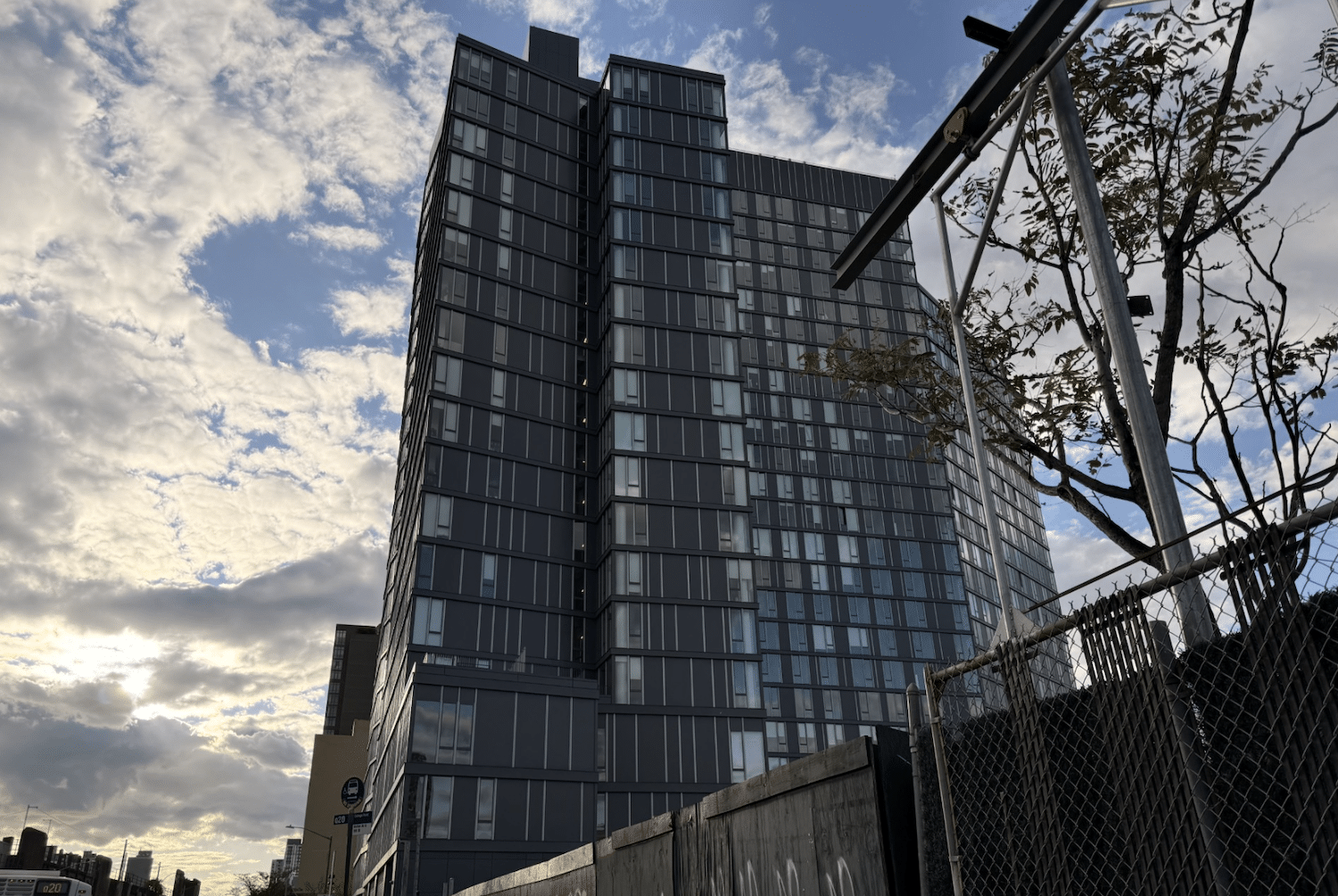
New buildings in Jamaica, Queens bring new people. But they also displace favorite neighborhood spots. Photo by Masrur Khan.
JAMAICA, N.Y.
The area around Jamaica Avenue and Parsons Boulevard was celebrated for its Caribbean flavors, tight knit communities and jerk chicken stands. But it is undergoing a transformation that makes longtime residents question whether that’s good or bad. “It’s good to see new buildings,” said Lizbeth Brown., The 56-year-old grandmother qualified her thought, “But not if it means losing what makes Jamaica, Jamaica,” she said.
The recent boom of new high-rise apartment buildings and affordable housing has brought new life into the area, but it also stirs fear that Jamaica’s long-standing cultural and small-business identity is at risk of fading.
Yet for some these changes are long overdue. “The new housing will help make the area safer and less ghetto,’” said Simon Michaels, a 68- year-old grandfather who has lived in Jamaica for over 40 years. “People are starting to take pride in the neighborhood again.” Many see the influx of investment as a sign that Jamaica, historically overlooked in city planning, is finally receiving attention and resources.
The New York University Furman Center’s neighborhood data shows a shift in community demographic and housing composition between 2010 and 2024. The area saw increases in new housing construction and higher median household incomes,
New building and development brought more than 6,200 new apartments to the market in the Jamaica and Hollis area from 2010 to 2024, according to the Furman Center. Only 38% were considered affordable housing.
Average apartment prices range from $1,600 to $2,900 per month, according to zillow.com. The Furman Center found a 19.1% increase in rent in the area over 17 years. The rising apartment prices makes some fear that the price of progress is too high. Jonathan Rivera, a 40-year-old resident who has lived and worked in three of New York’s boroughs, says he’s watched this pattern before, most recently in the Bronx. “I’m more concerned about the type of people these new buildings are bringing in,” Rivera said. “Not only am I losing my favorite food spot, but the community is going to be drowned out of the culture in the area.”
As old buildings fall and new ones take their place, Jamaica stands in between revitalization and cultural erosion. The challenge, residents say, is finding a middle ground between progress and preservation, making sure that the future of Jamaica still reflects the voices and traditions of the community that built it.
Tags: Jamaica gentrification Jamaica Queens Masrur Khan New housing displacing long-time neighbors and stores
Series: Community