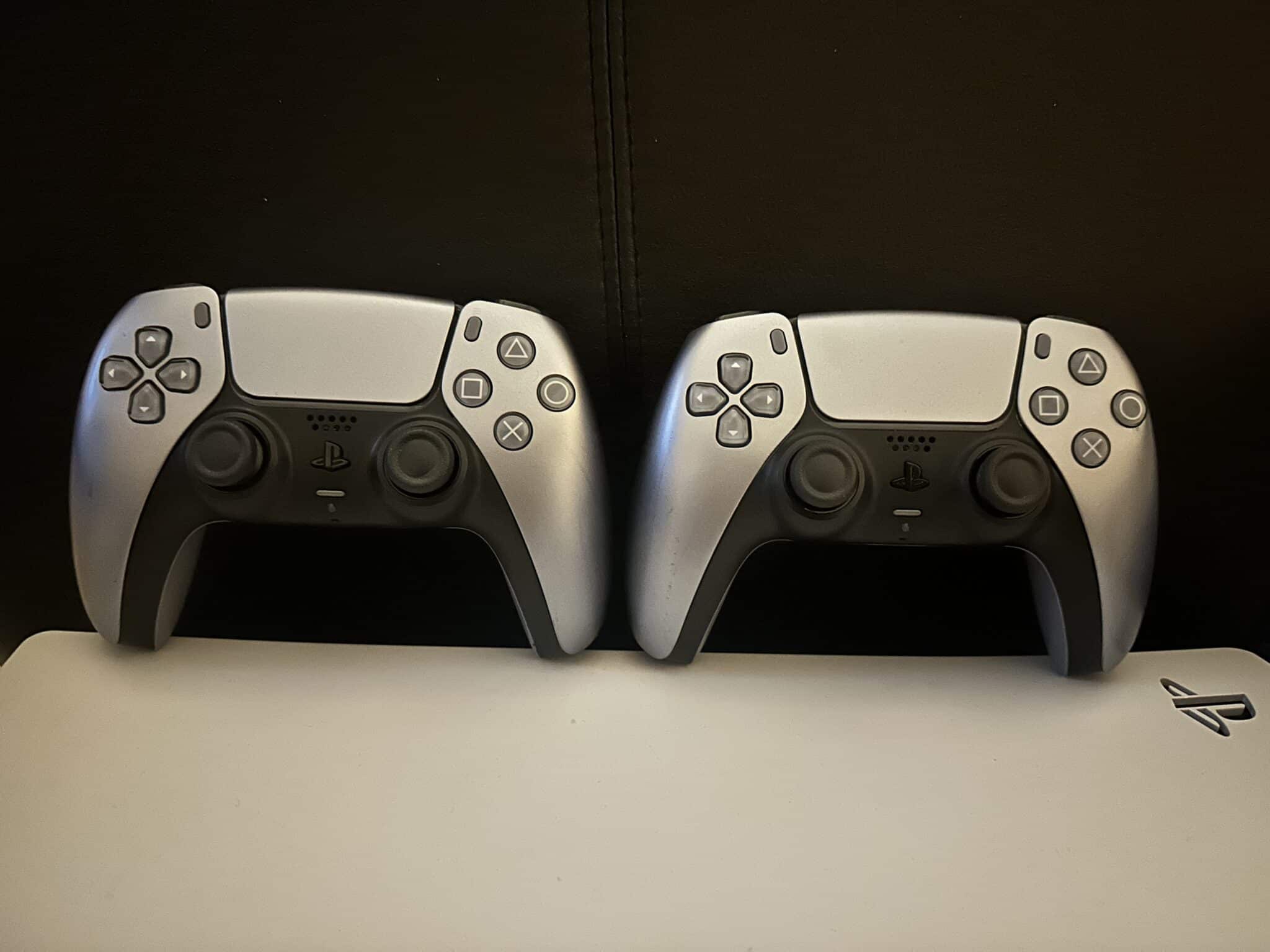
Gamers often dismiss a new game by calling it a clone of an existing game. Photo by Alexander Chavez
“The media often ruins any new game for me. I can only think about the controversy,” said John Corte. The City College of New York (CCNY) student looks to social media to determine if it is worth giving a new video game a shot. Social media has become a huge factor in determining whether a new game is truly in it for the long run. Gamers who participate in social media discussions often share their views about a game’s shortcomings, especially with new releases when they take inspiration from older games. Many label the new games clones.
At a recent gaming event at CCNY, gamers talked about the influence social media has on the gaming market. Some complained about the way people criticize newly announced or freshly released games. Others said they worried about the way harsh criticism could inhibit creative development of new games.
“People criticize before a game’s release because they have no idea what’s different about it,” said Bryan L., another CCNY student. He thinks that the majority of criticism towards newer titles comes from an uninformed perception about what a game will play like before people actually explore it. This criticism has persisted for years.
Bryan said, “People looked at [Super Mario] Odyssey (2017) and said it was the same as [Super] Mario 64 (1996).” He pointed out that even though the two titles were released over two decades apart, gamers still drew comparisons. Many based their criticisms on the games because of their similar 3D styles and level design.
While gamers are tough to please, they want developers to take risks, expand on what already exists, and branch off into new genres. Yet, even when developers do introduce something new, if users aren’t quickly satisfied, they sometimes encourage the failure of fresh ideas. Players will then use the word clone to label the game as flawed.
When clone is used to point out the smallest similarities between titles, it frustrates Rashidi Levy, a senior at CCNY. “When it comes to Pokémon,… anything can get labeled a clone… like Palworld (2024),” Levy said. Despite Pokémon is a turn-based role playing game series and Palworld is an action-adventure survival game, players still initially considered the 2024 title a clone. Levy indicated that although players of these games understand that the two share similarities in character designs, they share many differences in actual gameplay.
But once a game is considered a clone, it can seem impossible for titles to distance themselves from the term. This was the case for Jamal James, an undergraduate who enjoys playing Super Smash Bros. Ultimate. He said, “My friends tried to convince me to play Brawlhalla (2017), but it didn’t work. It’s a Smash clone.”
Josh R., a junior, explained why Smash clones often fail to keep players coming back. “There were so many Smash clones. Nickelodeon All Star Brawl (2021), Multiverses (2024), Brawlhalla … Nickelodeon had no care, the game was stale, and there were no voice lines,” he said. He thinks that new releases sometimes have too many game breaking bugs and performance issues that make them hard to enjoy. When this happens gamers let it be known that they are unhappy.
“Gamers love to complain,” said Misha Favorov, a game designer and a professor in the Digital Game Design & Development program at CCNY. He said that gamers will always opt for comparisons as the best way to make sense of new titles. So when it comes to clones, he said that the term isn’t the real issue but its overuse and intent. He argued “If it’s mixing two games into one, then it’s its own thing.”
Games tend to build on what came before. It’s true that games borrow ideas from older ones, it’s a natural process for the market. Professor Favorov thinks building on what has existed and finding new ways to go about them is a good idea. “I think it’s good when [developers] try something new – it keeps the conversation alive.”
Tags: Alex Chavez Alexander Chavez CCNY gamers Clone Digital Game Design & Development CCNY digital gaming clones gaming clone Jamal James John Corte Misha Favorov Misha Favorov gaming professor CCNY