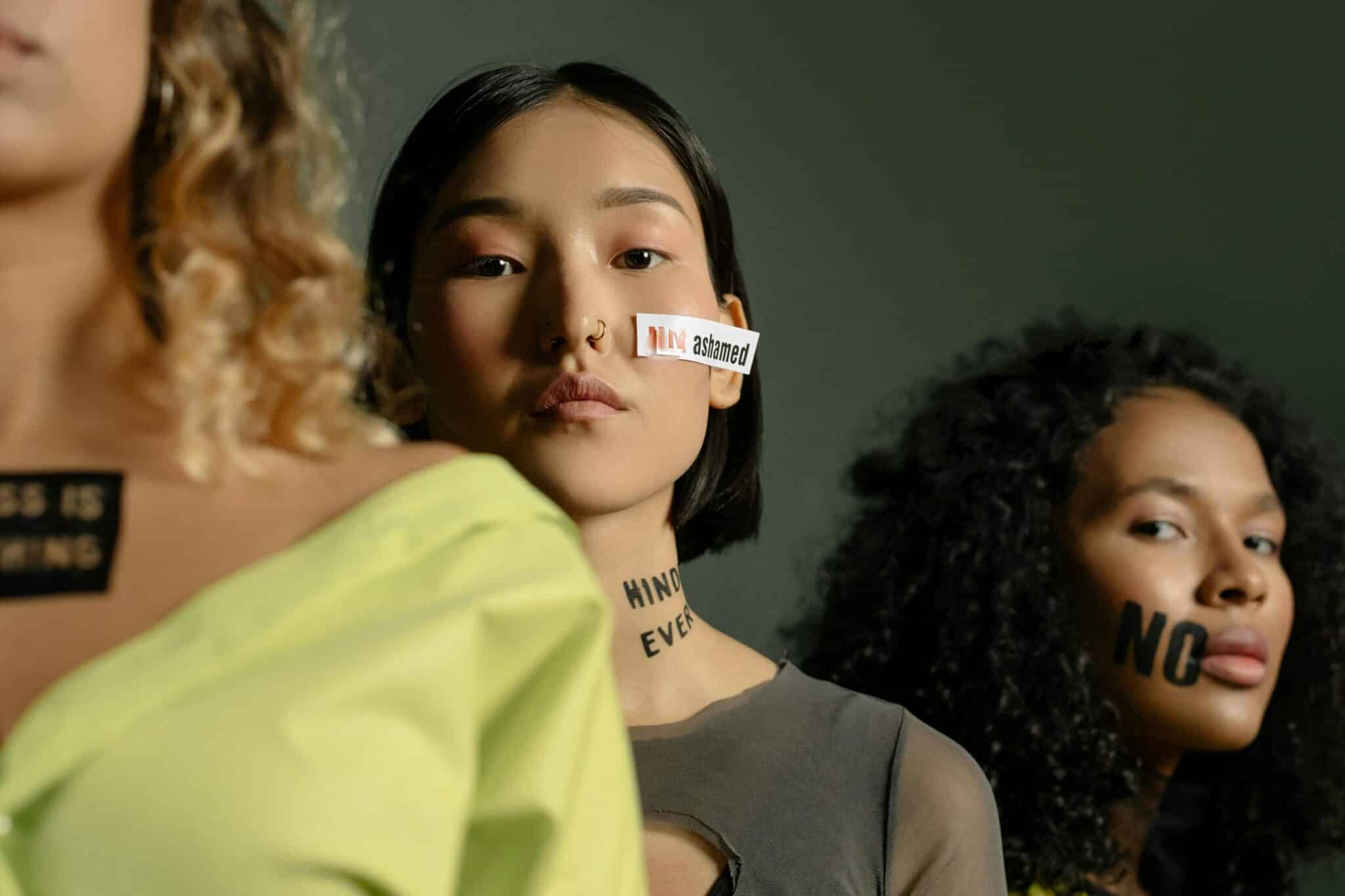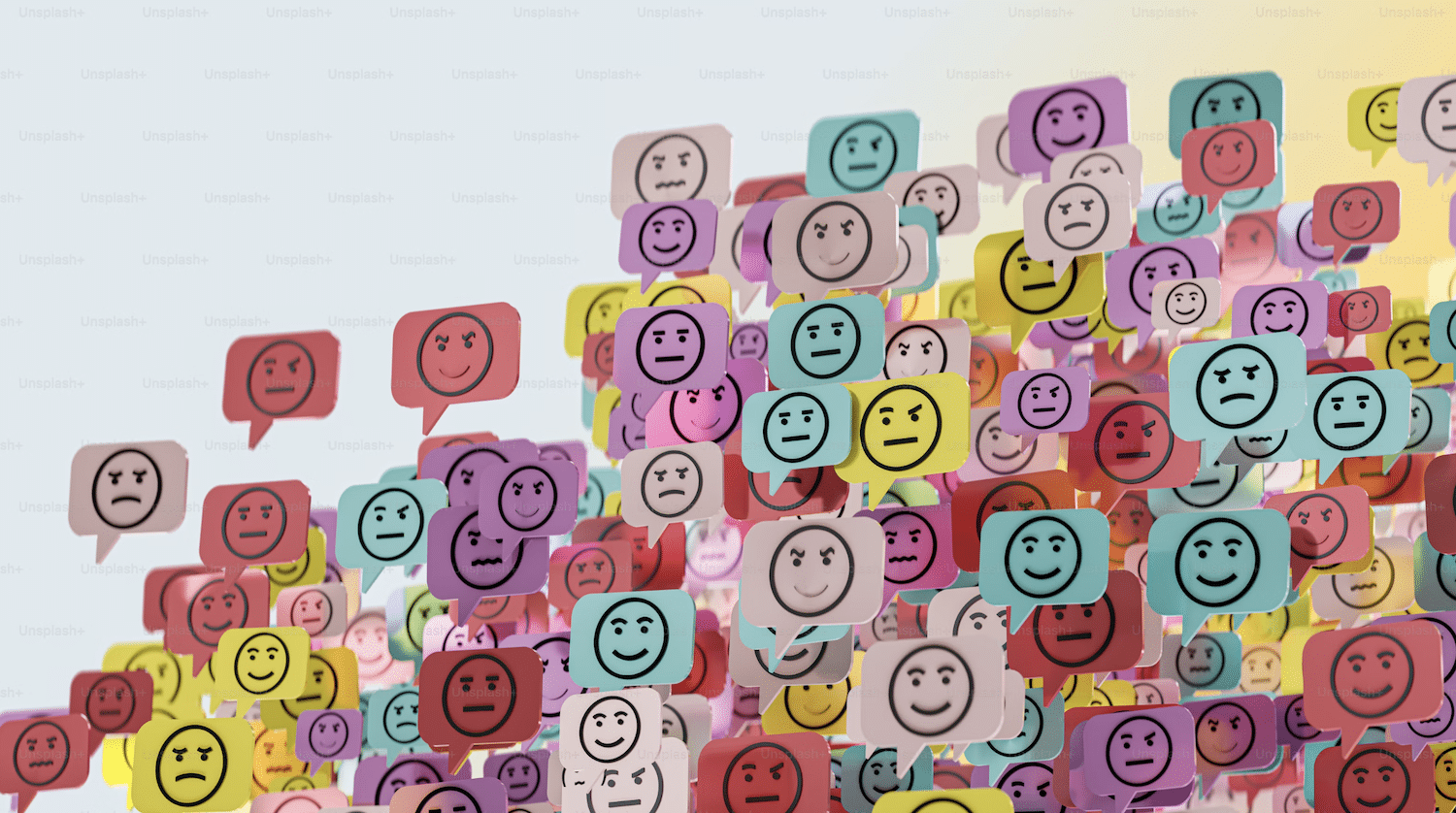
Many faces tell stories on social media. Image by Alex Shuper, Courtesy Unsplash
*Jeremy Luciano was a student in the College Now Introduction to Journalism class at CCNY.
“Sometimes I feel like what I see online does affect me in real life, and it gets me in a weird mood,” said Taja Eleazer Stewart, a student at Capital Prep Harlem. Stewart’s experience represents a reality many teenagers face. Some people use their popularity and follower count to determine their own worth. Teens who compare their lives with the meticulously planned lives of their peers and influencers may begin to feel less valuable, jealous, and alone. Social media can distort reality, making teens feel like they’re falling behind compared to their peers.
Whether it’s posting selfies, dancing videos, or messaging friends, teens are spending more time online than ever before. These platforms offer creative outlets as well as ways to maintain relationships with friends and the outside world. But the growing problem of teen mental health hides beneath the likes and filter, and it is attracting the attention of parents, educators, and mental health experts.
Heavy social media use has been strongly linked to an increase in anxiety, sleep disorders, and anorexia in young people, according to recent studies. Teens who use social media for more than three hours a day are more likely to suffer from mental health problems, according to research published in the National Library of Medicine. Social media platforms can increase social comparisons and the fear of missing out, or FOMO. Teens are constantly fed curated feeds and these comparisons can make users feel like they’re not good enough.
However, social media’s influence goes beyond an individual’s sense of self worth. It has an impact on sleep, eating, and personal hygiene. Teenagers often accept staying up late to read posts or talk with friends. In addition to reducing their time offline, this behavior exposes them to blue light from screens, which has been revealed to cause problems with their natural sleep cycles. Lack of sleep can lead to increased irritability and lower performance in school.
The mental health crisis among teenagers is growing more urgent by the year. Research from the Centers for Disease Control and Prevention shows escalating rates of mental illness among adolescents since 2010. NPR’s Katia Riddle reported,“In recent years, experts have sounded alarms about the mental well-being of teenagers of all races.” Her report found that suicide is now among the top three leading causes of death for children ages 15–19.
Many factors, such as increased social media use, academic pressures, unstable families, and limited access to quality mental health care, have been blamed for this disturbing trend. The stigma or fear of being judged causes many teenagers to struggle in silence while they experience feelings of loneliness, anxiety, and depression. Experts stress the critical need for more funding for easily accessible treatment options, increased mental health education in schools, and early intervention. Today’s youth face emotional challenges that could develop into a long-term public health crisis if there is no coordinated response.
These national statistics are echoed in New York City, where young people are also grappling with declining mental health. “Youth mental health in New York City has been declining for more than a decade,” according to the New York City Department of Health. “In 2021, 38% of the city’s high school students reported feeling so sad or hopeless in the past year that they gave up their usual activities, compared with 27% in 2011. Rates of suicidal ideation also increased, with almost one in 10 NYC high schoolers reporting a suicide attempt in the past year in 2021,” the New York City report found.
Some experts agree that one of the most effective ways to fight the negative impacts of social media is to promote digital literacy. Digital literacy helps teens look at online content critically and understand that a lot of it is staged or filtered. When young people are able to tell the difference between reality and illusion, they have a better ability to deal with negative comparisons and exaggerated expectations.
Schools and families also play a critical role in assisting kids developing healthy coping strategies and resilience. By establishing safe spaces for teenagers to talk about their emotions and experiences, adults could provide guidance and support. School-based programs that prioritize mental wellness awareness, mindfulness, and social emotional learning can also be very beneficial in helping young people develop a better foundation for overcoming obstacles in life—both online and offline.
Experts suggest setting safe online conduct and promoting regular “screen-free” periods, like before bed or during meals, families and schools can make a positive impact. Teens might also participate in offline activities like volunteering, sports, the arts, or just spending time with friends and family in person, according to experts. These activities may improve emotional balance, boost self-esteem, and reduce dependence on online approval. According to Dr. Zishan Khan, who was interviewed in the publication Parents, “Children are far more likely to stick to screen time limits if they feel heard and involved in the process”
“Rather than imposing rigid rules,” Khan continued, “try sitting down with your child to co-create a ‘tech agreement.’ Ask them how much time they think is reasonable for games or social media, and negotiate limits that work for both of you. This builds trust and teaches self-regulation, rather than just obedience.”
The social media companies themselves also bear responsibility. These companies can use safer design features like screen time reminders, content warnings, and improved content moderation. When tech companies take young users’ mental health seriously, they help solve the issue rather than contribute to it.
Some steps have been taken to monitor they way social media companies policies affect young people. “In 2025, parents will no longer be alone in tackling this problem. They will be assisted by concerned politicians and by phone-free schools,” Jonathan David Haidt, an American social psychologist, and Zach Rausch, associate research scientist, wrote in Wired magazine late last year. “Social media companies, on the other hand,” they continued, “will finally acknowledge—or be forced to acknowledge by juries and legislatures—that they now own childhood, and they bear at least some responsibility for what they are doing to children.”
Stewart, the Capital Prep Harlem student, also explained that “it’s not all about what we see on our screens—it’s more about how it makes us feel when we log off social media.”
“Sometimes,” she continued, “I wish we as people spoke more about that.”
Tags: Jeremy Luciano Mental Health Social Media student mental health student mental health and social media
Series: High School Journalists